
5 Fun Facts About Fencing
Fences are a familiar part of everyday life, yet there is much more to them than simply marking property lines or adding privacy. From their historical significance to their modern-day versatility, fences have evolved in ways that reflect both practical needs and creative expression. Whether used for security, aesthetics, or organization, fencing plays an important role in shaping outdoor spaces and enhancing how people interact with their environments. By exploring some fun and surprising facts, it becomes clear that fences are far more interesting than they may initially seem.
Fences also reflect personal preferences and lifestyle choices, making them a meaningful addition to any property. From cozy backyard enclosures to expansive perimeter designs, the right fence can transform how a space is used and enjoyed. As outdoor living continues to grow in importance, more people are recognizing the value of thoughtful fence solutions that balance beauty, function, and long-term durability.
Exploring the Origins of Fences
Fences have existed for centuries, long before modern construction techniques and materials were available. Early civilizations used natural resources such as wood, stone, and even living plants to create boundaries around their land. These structures were essential for protecting crops, keeping livestock contained, and establishing clear ownership.
Over time, fences became more sophisticated as societies advanced. In medieval Europe, stone walls and wooden palisades were used to defend towns and castles. In rural areas, farmers relied on simple wooden posts and rails to organize their land. These early designs laid the foundation for the wide variety of fence styles seen today.
The evolution of fencing reflects human innovation and the ongoing need to create structure and security within shared spaces. What began as a purely functional solution gradually transformed into something that also contributes to visual appeal and design.
Understanding the Variety of Materials Used
One of the most interesting aspects of fences is the wide range of materials used to build them. Each material offers unique benefits, allowing homeowners and businesses to choose options that best suit their needs and preferences.
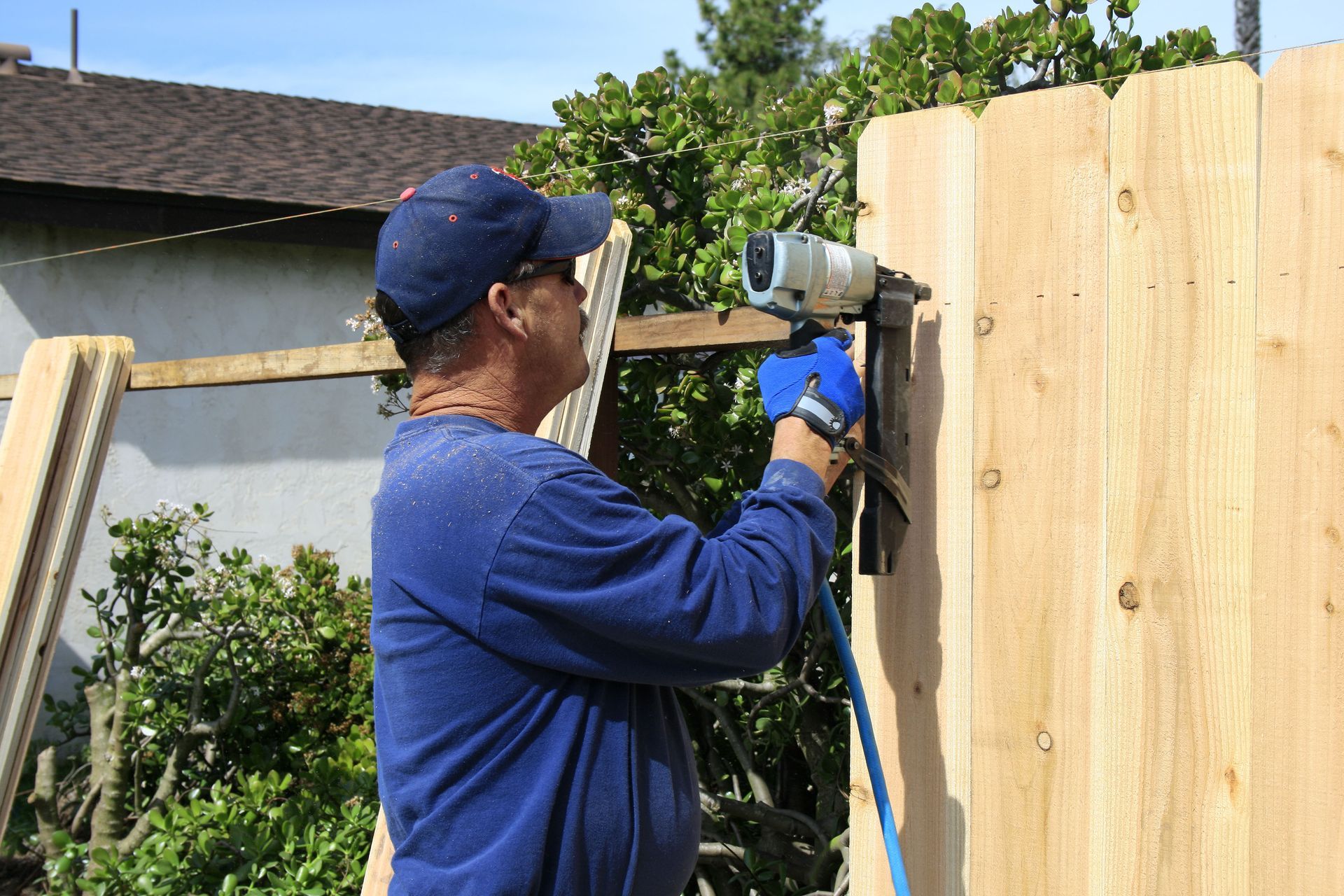
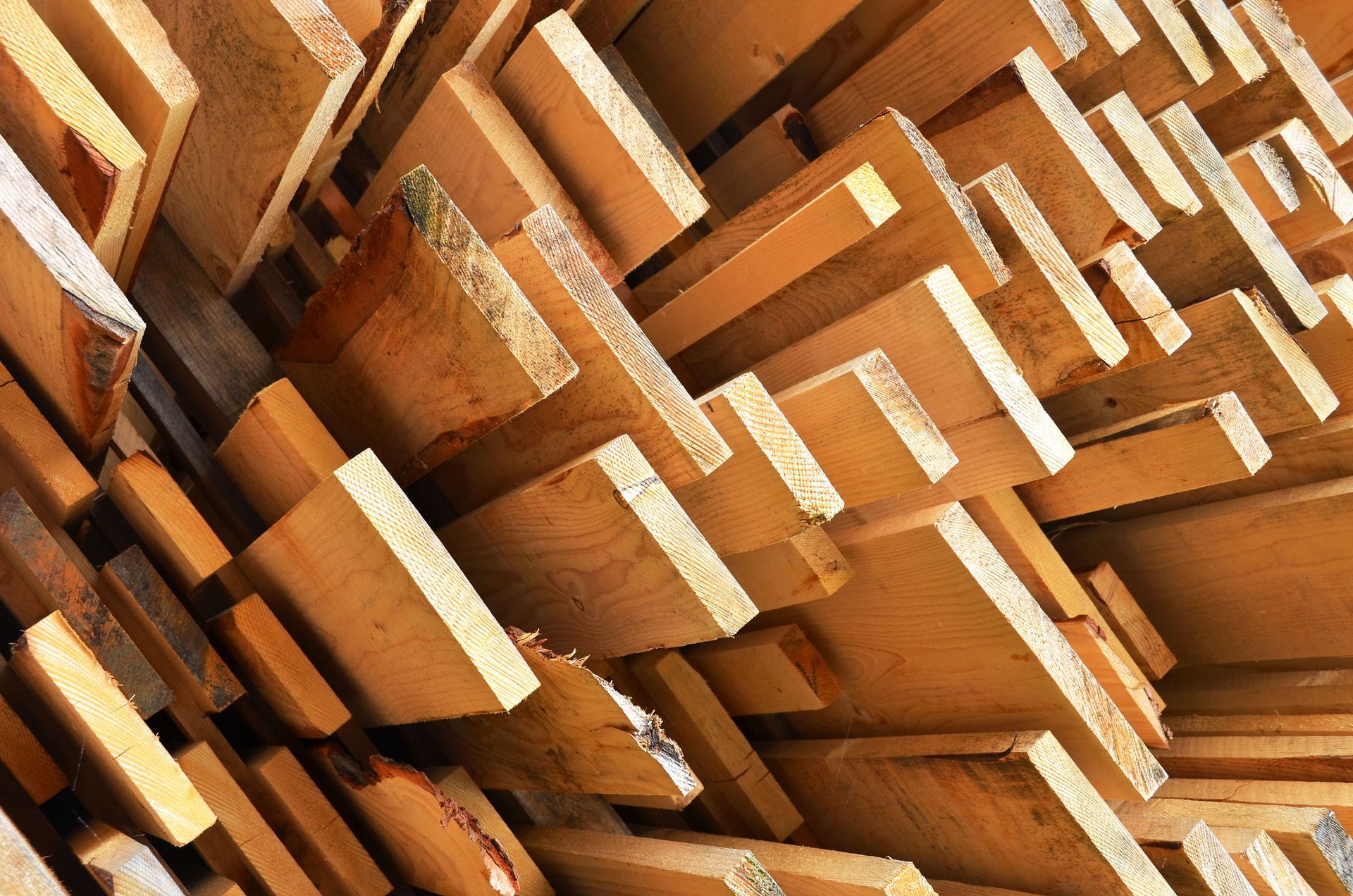
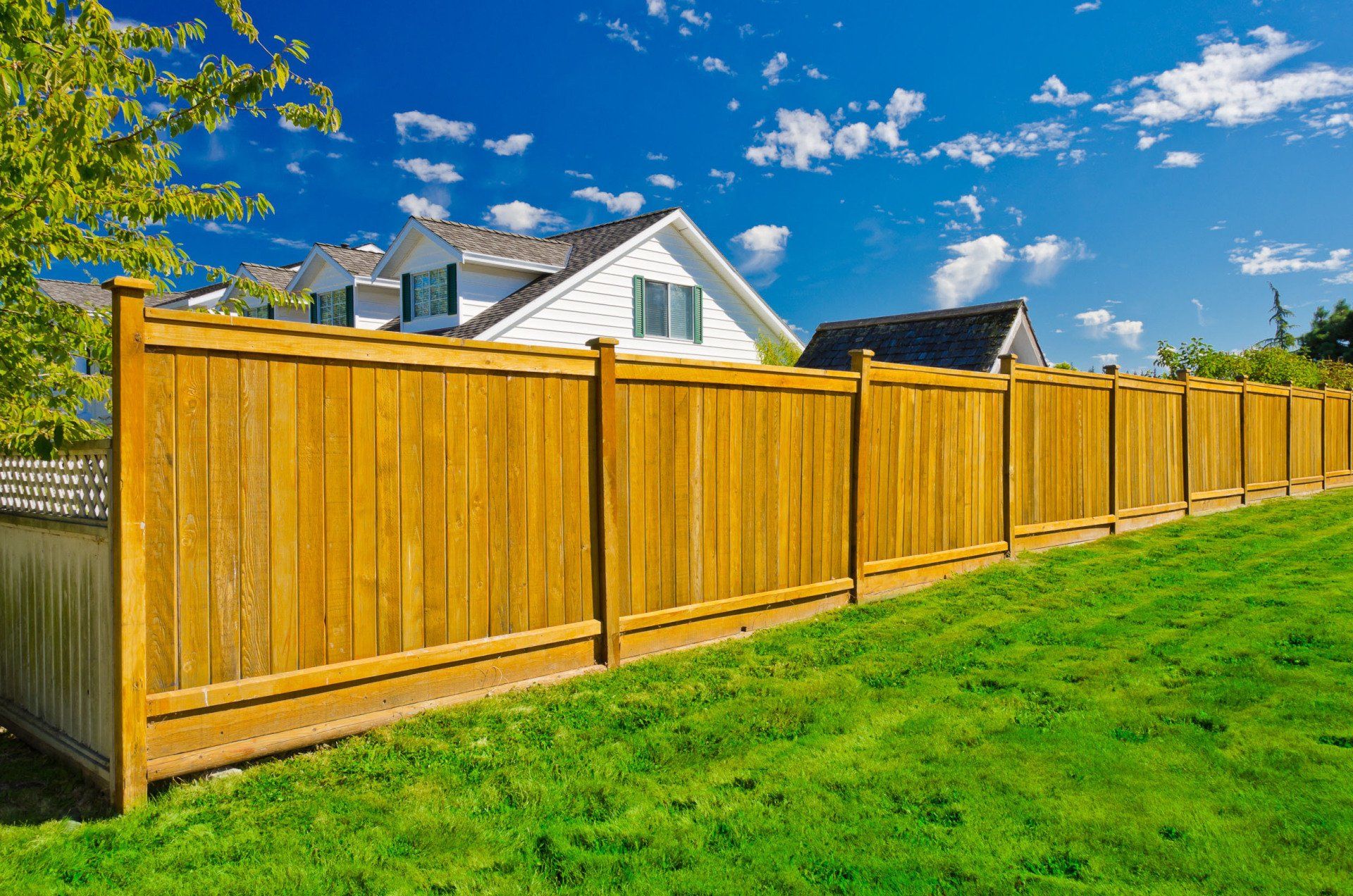
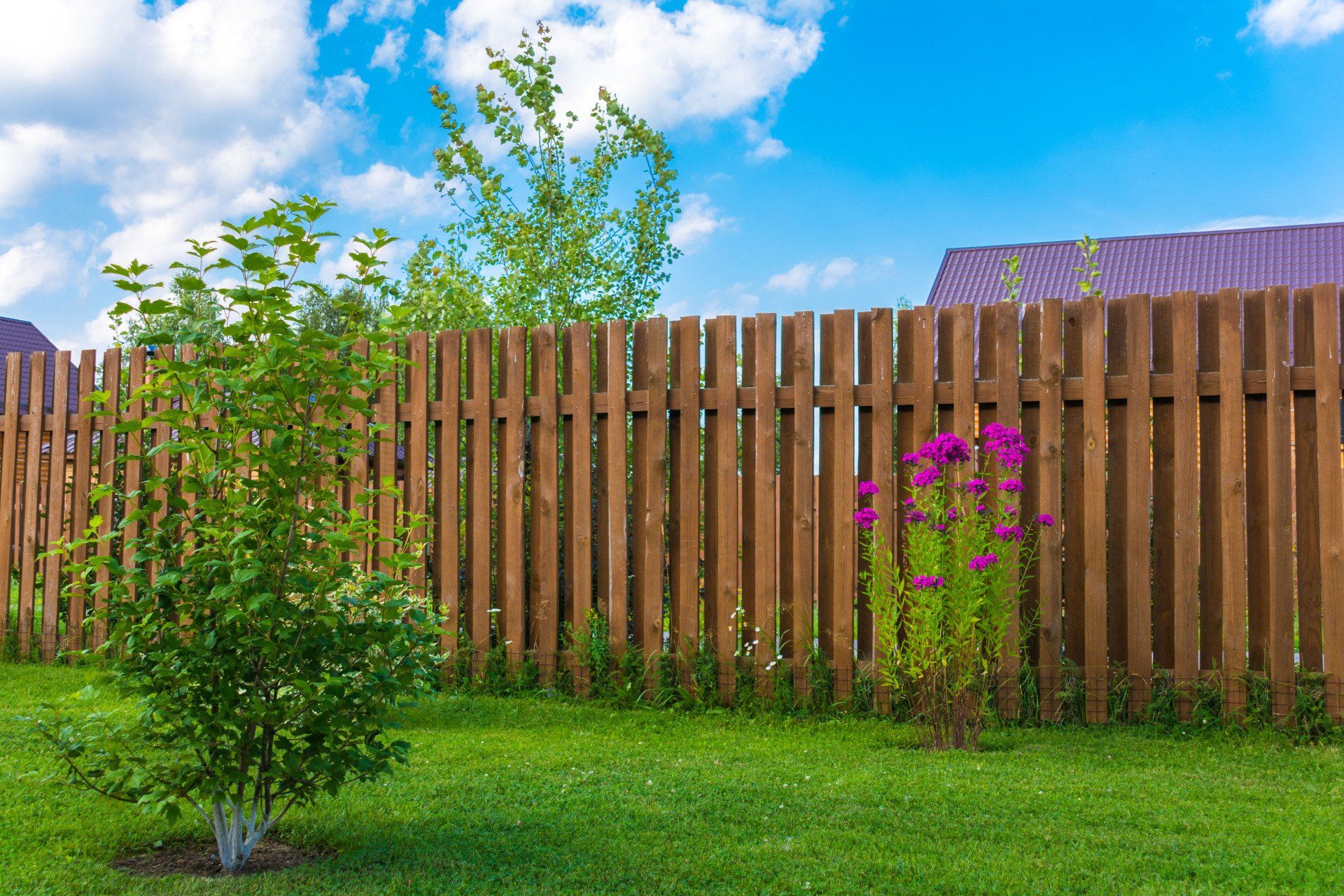
Wood remains a classic choice due to its natural look and versatility. It can be painted or stained to match different styles, making it a popular option for residential properties. Metal fences, including aluminum and steel, provide durability and strength, often used for security purposes or decorative designs.
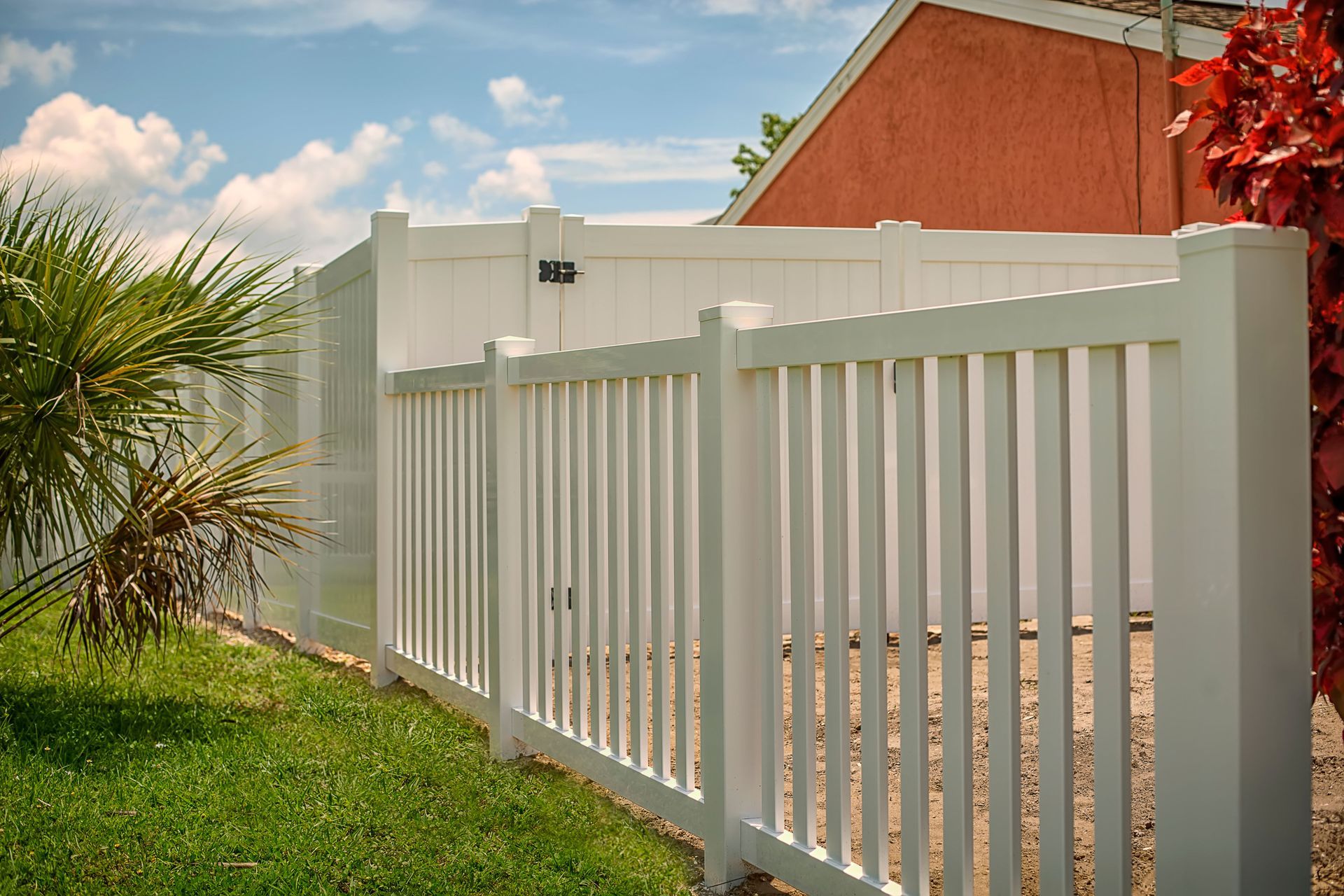
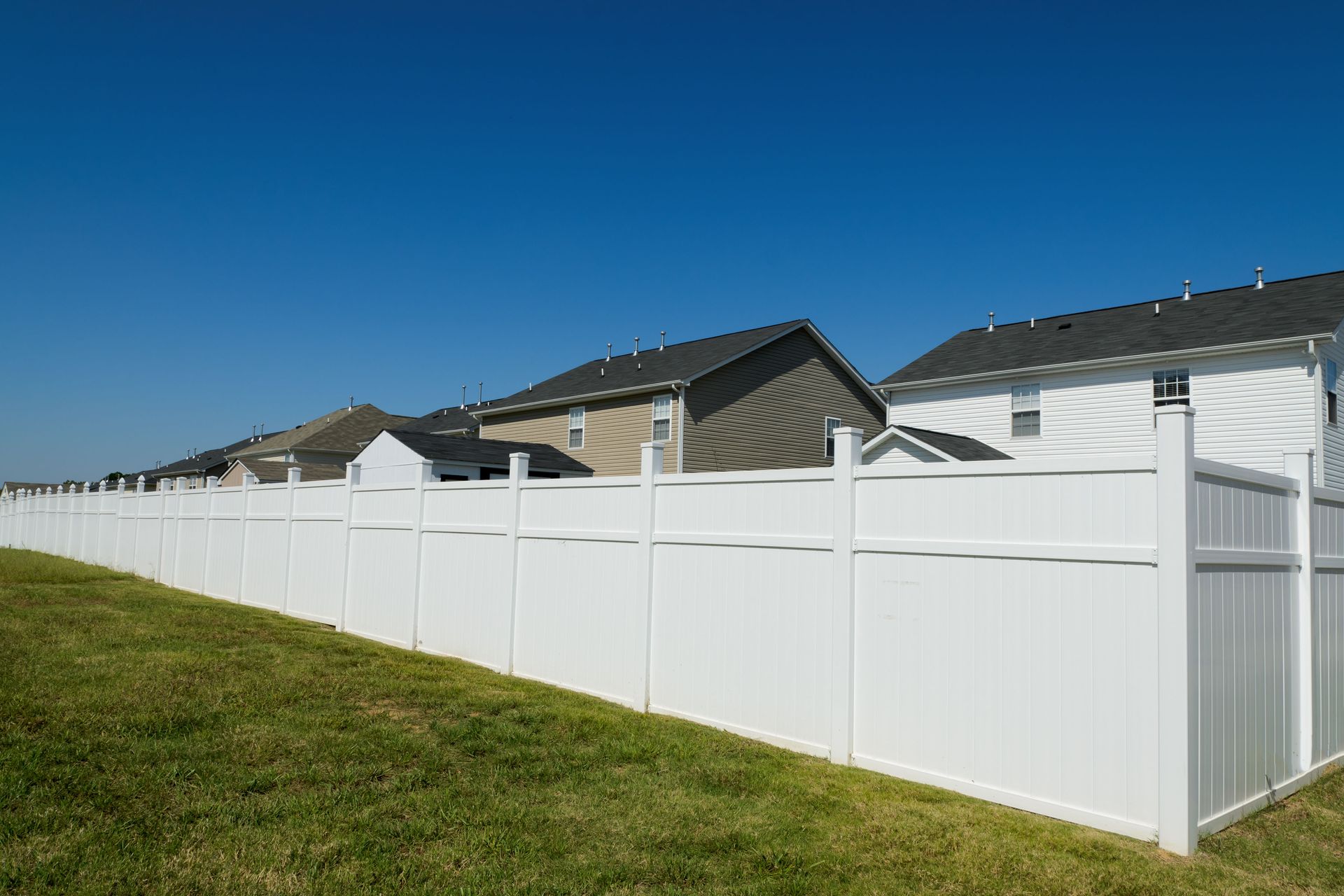
Vinyl has gained popularity in recent years because it requires minimal maintenance and resists weather-related wear. Meanwhile, composite materials combine the appearance of wood with enhanced durability, offering a balance between aesthetics and longevity.
The diversity of materials highlights how fencing has adapted to modern demands while still honoring traditional craftsmanship. Each option brings something unique to the table, making it possible to customize a fence for both function and style.
Discovering the Role of Fences in Design
Fences are no longer just practical structures; they are also key elements in outdoor design. A well-chosen fence can enhance the overall look of a property, complement landscaping, and create a cohesive visual experience.
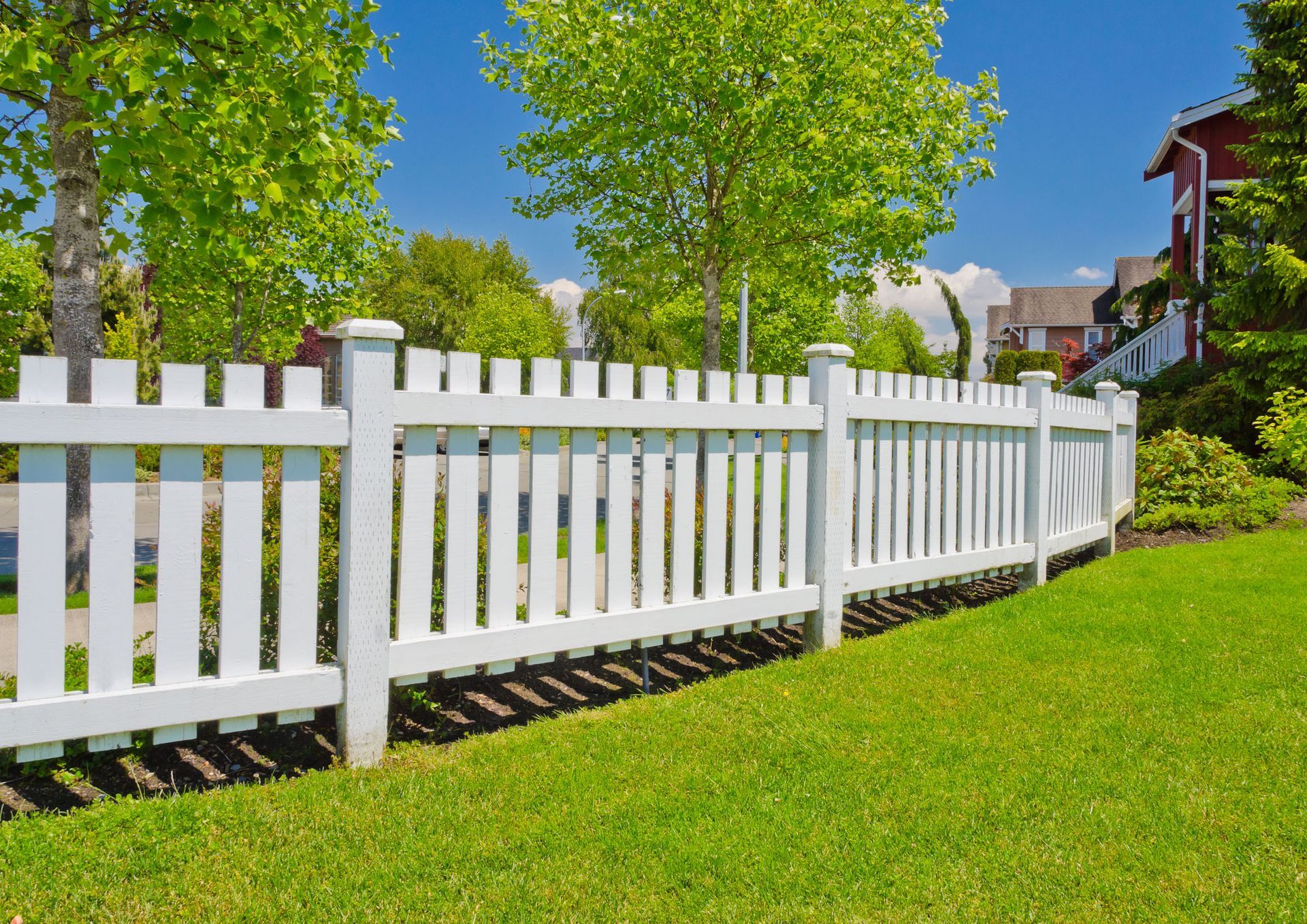
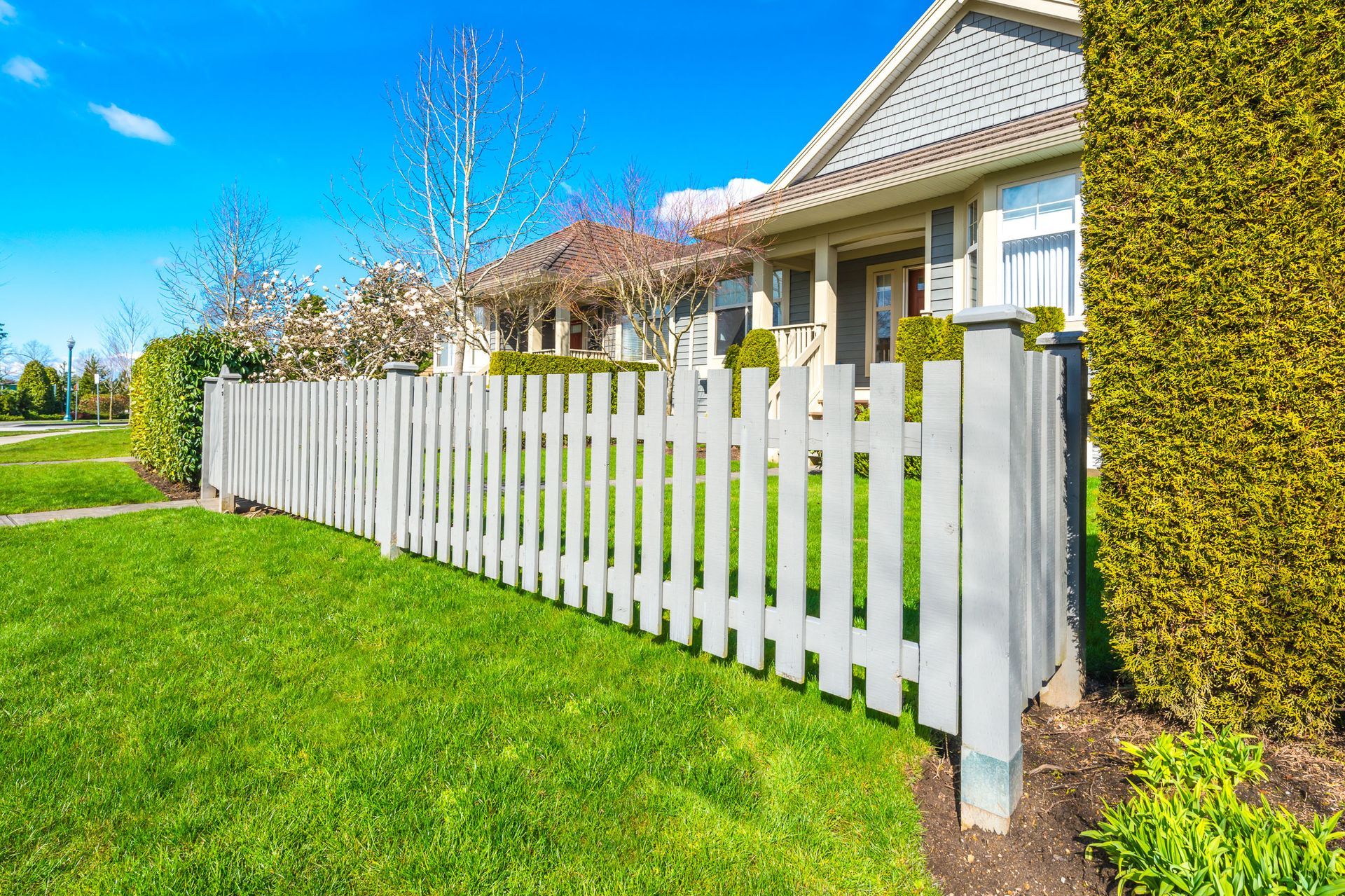
Designers often use fences to frame gardens, define pathways, and add depth to outdoor spaces. For example, a white picket fence can evoke a classic and welcoming feel, while a sleek metal fence can create a modern and minimalist aesthetic.
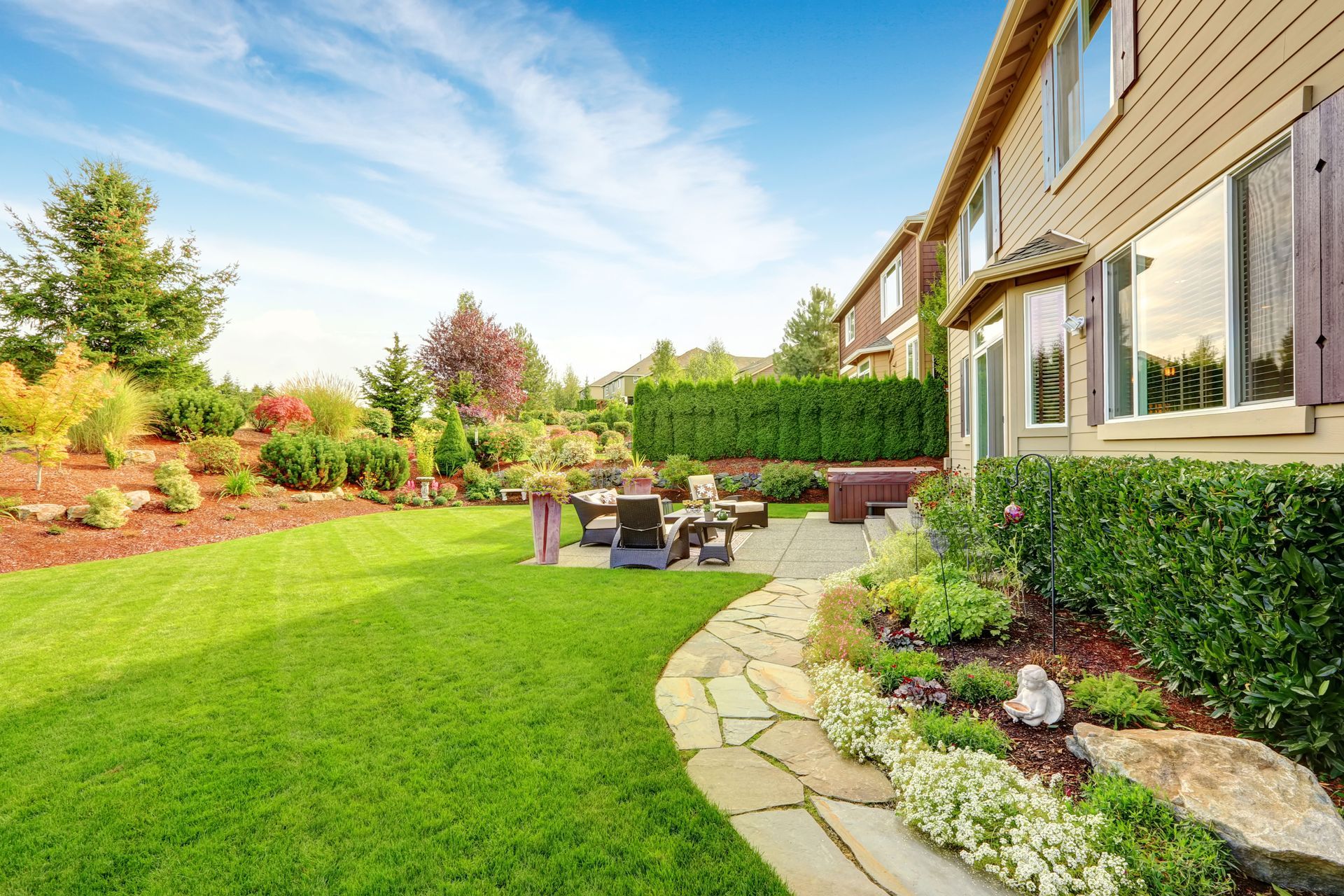
According to Thrive My Way, the average U.S. household spends about $500 annually on landscaping. This highlights how much value people place on their outdoor spaces, and fencing plays a significant role in that investment. By incorporating the right fence design, homeowners can elevate their landscape and create a more polished appearance.
In many ways, fencing serves as both a functional boundary and a design statement, blending practicality with creativity.
Recognizing the Importance of Privacy and Security
Privacy and security are among the most common reasons people install fences. Whether in residential or commercial settings, fences help create a sense of safety and control over a space.
A privacy fence can shield a backyard from neighbors or passersby, allowing families to relax and enjoy their outdoor areas without feeling exposed. Taller fences with solid panels are especially effective for this purpose, creating a secluded environment.
On the other hand, security fences are designed to deter unauthorized access. These may include features such as reinforced materials, locking gates, or added height. Businesses often rely on these types of fences to protect valuable assets and maintain controlled access points.
The ability of a fence to provide both privacy and protection makes it an essential feature for many properties, offering peace of mind along with practical benefits.
Learning About the Environmental Benefits
Fences can also contribute to environmental sustainability in ways that may not be immediately obvious. Certain types of fencing, such as those made from natural or recycled materials, help reduce environmental impact while still serving their intended purpose.
Living fences, which use plants such as hedges or shrubs, are an eco-friendly option that supports biodiversity. These natural barriers provide habitats for birds and insects while also improving air quality. They can blend seamlessly into the landscape, creating a softer and more organic look.
Additionally, fences can help manage erosion and protect soil by acting as windbreaks. In agricultural settings, they play a role in maintaining healthy land by keeping livestock contained and preventing overgrazing in certain areas.
By choosing sustainable materials and designs, a fence can align with environmentally conscious practices while still delivering functionality and style.
Appreciating the Cultural and Symbolic Meaning
Beyond their practical uses, fences hold cultural and symbolic significance in many parts of the world. They often represent boundaries, ownership, and even personal identity.
In literature and art, fences are frequently used as metaphors for separation or protection. They can symbolize the divide between public and private life or the desire to create a safe and defined space. In some cultures, decorative fences are used to showcase craftsmanship and tradition, reflecting local styles and heritage.
Fences can also bring communities together by defining shared spaces such as parks or communal gardens. In these settings, they serve as gentle boundaries rather than barriers, helping to organize areas while still encouraging connection.
The symbolic meaning of a fence adds another layer of depth to its role in everyday life, showing that it is more than just a physical structure.
Fences also continue to evolve alongside changing lifestyles, offering solutions that adapt to modern needs while maintaining their timeless purpose. As homeowners place greater emphasis on comfort, functionality, and curb appeal, fencing remains a valuable investment that supports both everyday living and long-term property value.
Fences have come a long way from their early beginnings, evolving into structures that combine functionality, design, and meaning. They protect, define, and enhance spaces while offering opportunities for creativity and personalization. From the materials used to the roles they play in privacy, security, and sustainability, fences are far more versatile than they may appear at first glance.
Understanding these fun facts can change the way people view fences, revealing their importance in both practical and cultural contexts. Whether installed for protection, aesthetics, or organization, fencing continues to shape the way we experience and interact with our surroundings. If you're considering adding or upgrading a fence for your property, our team at T&P Fence Company can help bring your vision to life with solutions tailored to your needs and style.

Share On: