
Is Wood Fencing the Right Choice for Me?
Fencing plays an essential role in shaping both the function and visual identity of residential and commercial properties. It establishes clear boundaries, improves privacy, contributes to safety, and enhances curb appeal in ways that few exterior features can match. Because fencing is often one of the first elements people notice when approaching a property, the material you choose carries long-term implications for appearance, maintenance, cost, and durability. Among the many materials available today, wood fencing remains one of the most recognizable and widely used solutions across residential and commercial settings.
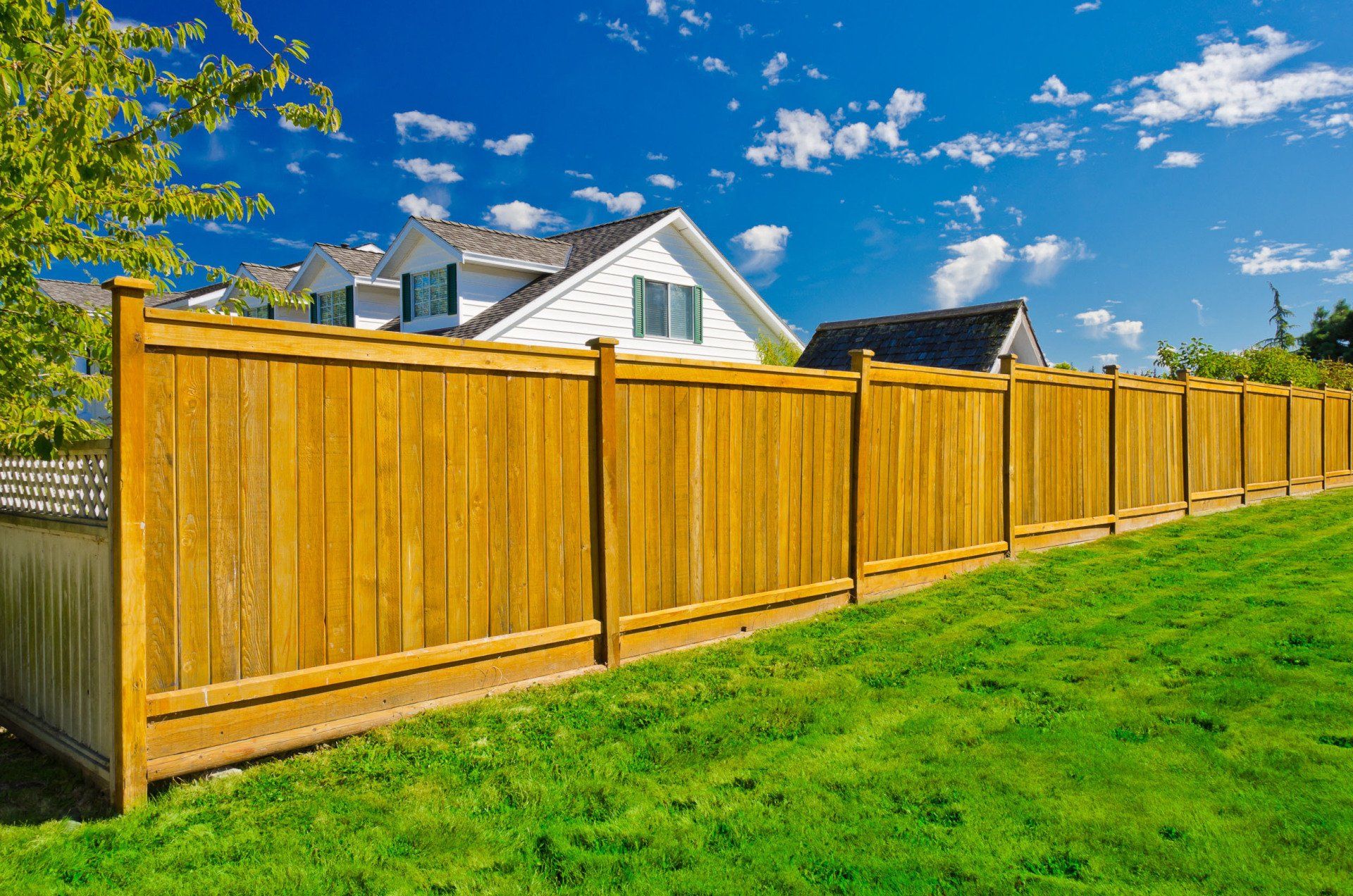
Wood fencing has maintained its popularity across generations because it combines practicality with a timeless aesthetic that feels both familiar and adaptable. The natural warmth and organic character of wood allow it to blend effortlessly into a wide variety of landscapes and architectural styles. Whether surrounding a suburban backyard, enclosing a rural property, or defining the perimeter of a commercial space, wood fencing can feel welcoming while still serving a clear functional purpose.
Choosing wood fencing requires thoughtful consideration beyond visual appeal alone. Factors such as maintenance expectations, environmental exposure, climate conditions, and long-term costs all influence whether this material is the right fit for a specific property. This decision is especially relevant for first-time installations, as according to Ergeon, roughly 25% of fencing projects involve properties with no pre-existing fence, meaning homeowners are often starting from scratch when evaluating materials. By examining both the strengths and limitations in detail, property owners can make informed decisions that align with their priorities, budgets, and long-term goals.
Advantages of Wood Fencing
Natural Appearance and Visual Appeal
Wood fencing offers a wide range of benefits that continue to attract homeowners and property managers alike. Its appeal lies not only in its visual charm but also in its adaptability, affordability, and compatibility with diverse environments. Even as modern fencing materials gain popularity, wood fencing continues to stand out for its ability to balance form and function without appearing overly manufactured or rigid.
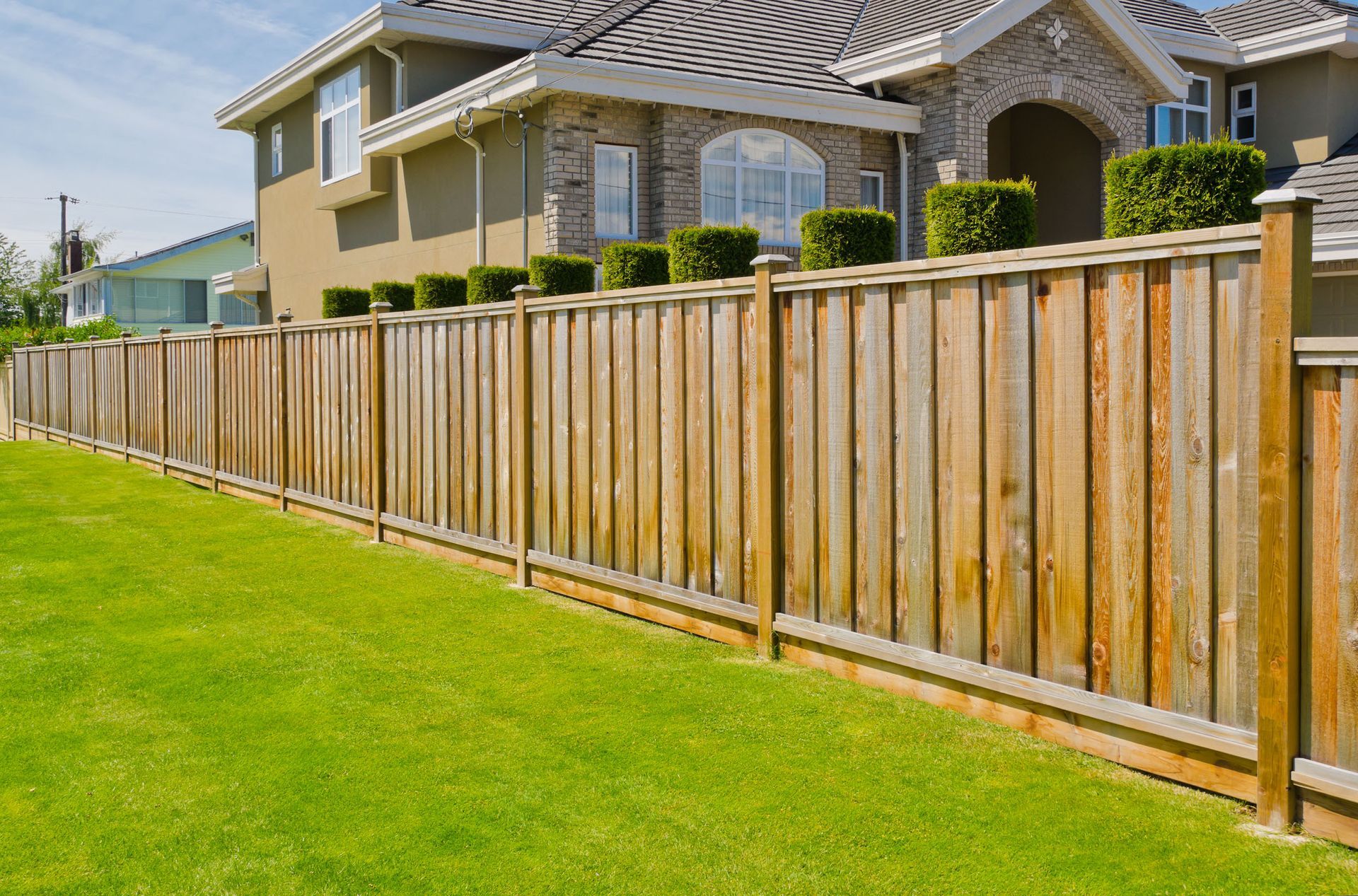
One of the most compelling strengths of wood fencing is its natural beauty. Wood possesses an organic texture and warmth that manufactured materials often struggle to replicate. The grain patterns, subtle color variations, and natural imperfections of wood create a visually rich surface that adds character to any outdoor space. Unlike metal or vinyl, which can feel industrial or stark, wood fencing introduces softness and familiarity into the surrounding landscape.
Customization and Style Flexibility
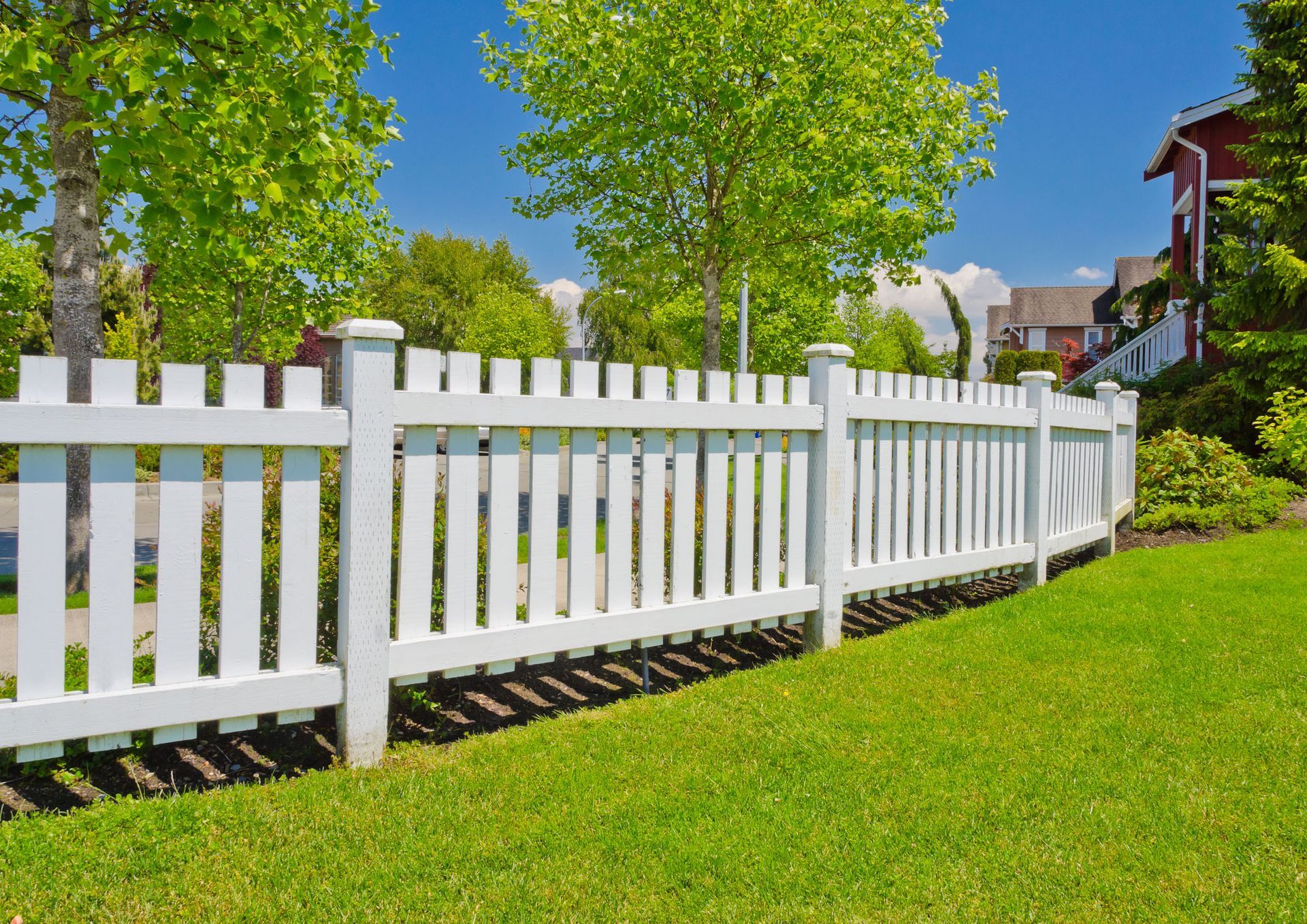
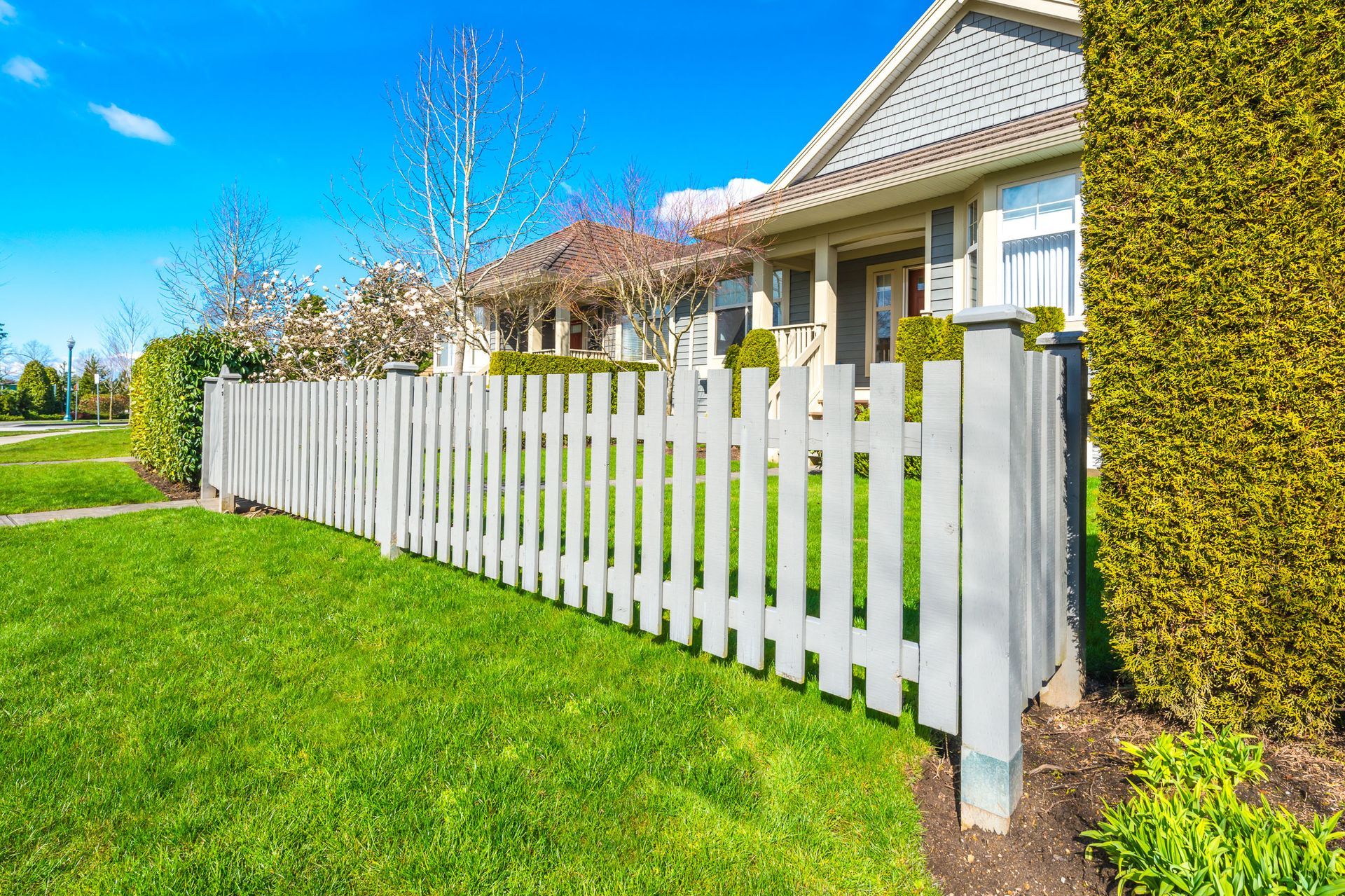
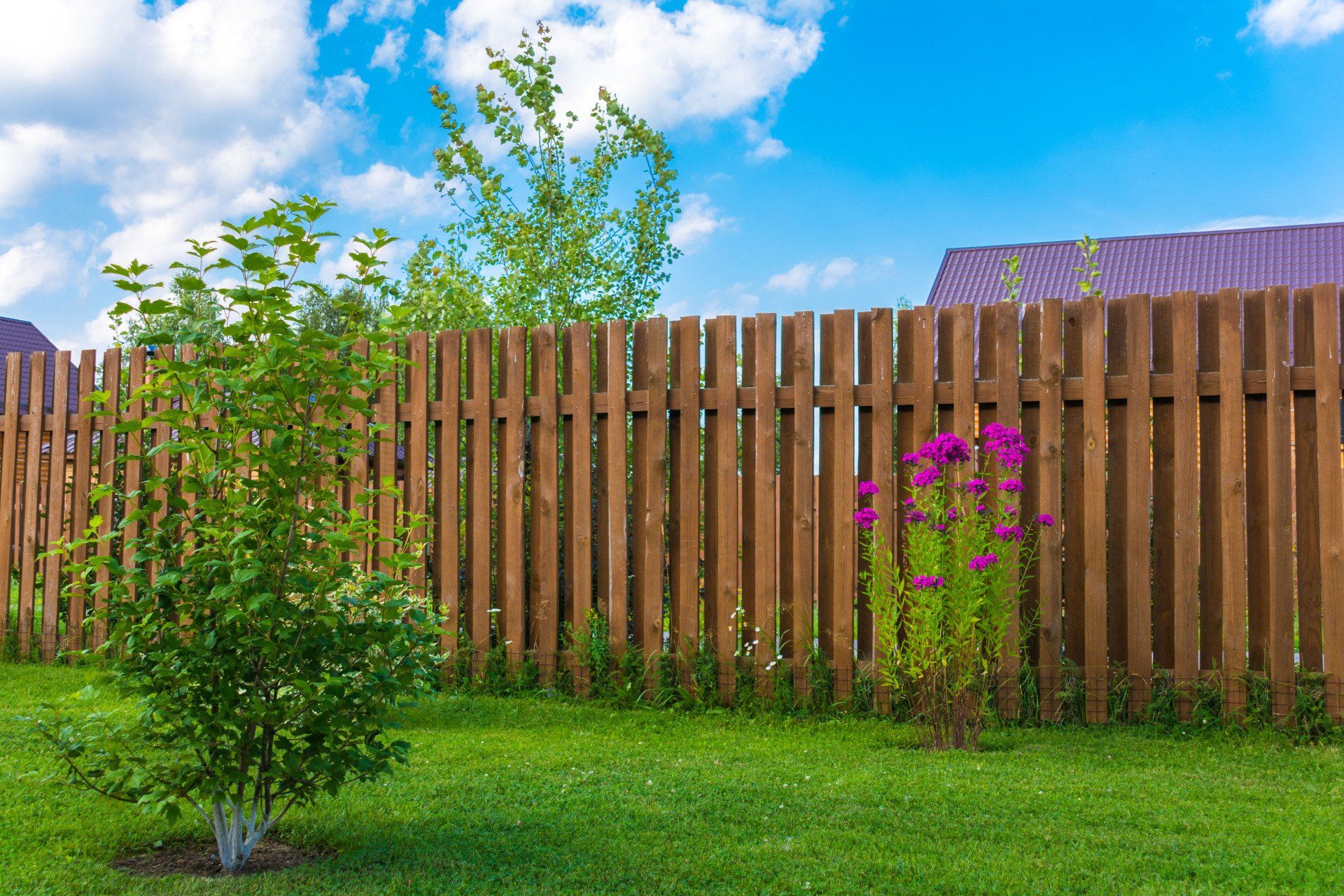
Beyond its inherent beauty, wood fencing offers extensive customization potential. It can be shaped into countless styles, including picket fences, privacy fences, post-and-rail designs, and decorative lattice patterns. This adaptability allows property owners to choose designs that match specific functional needs while still reflecting personal taste. Wood fencing can be painted in bold colors, stained to enhance its natural grain, or left unfinished for a rustic appearance that evolves.
Affordability Compared to Other Materials
Affordability is another significant advantage associated with wood fencing. Compared to materials such as wrought iron, aluminum, or composite fencing, wood often carries a lower initial cost. This accessibility makes wood fencing an attractive option for property owners working within a defined budget. The availability of multiple wood species at different price points further allows buyers to balance cost, durability, and appearance without sacrificing overall quality.
Ease of Installation and Adaptability
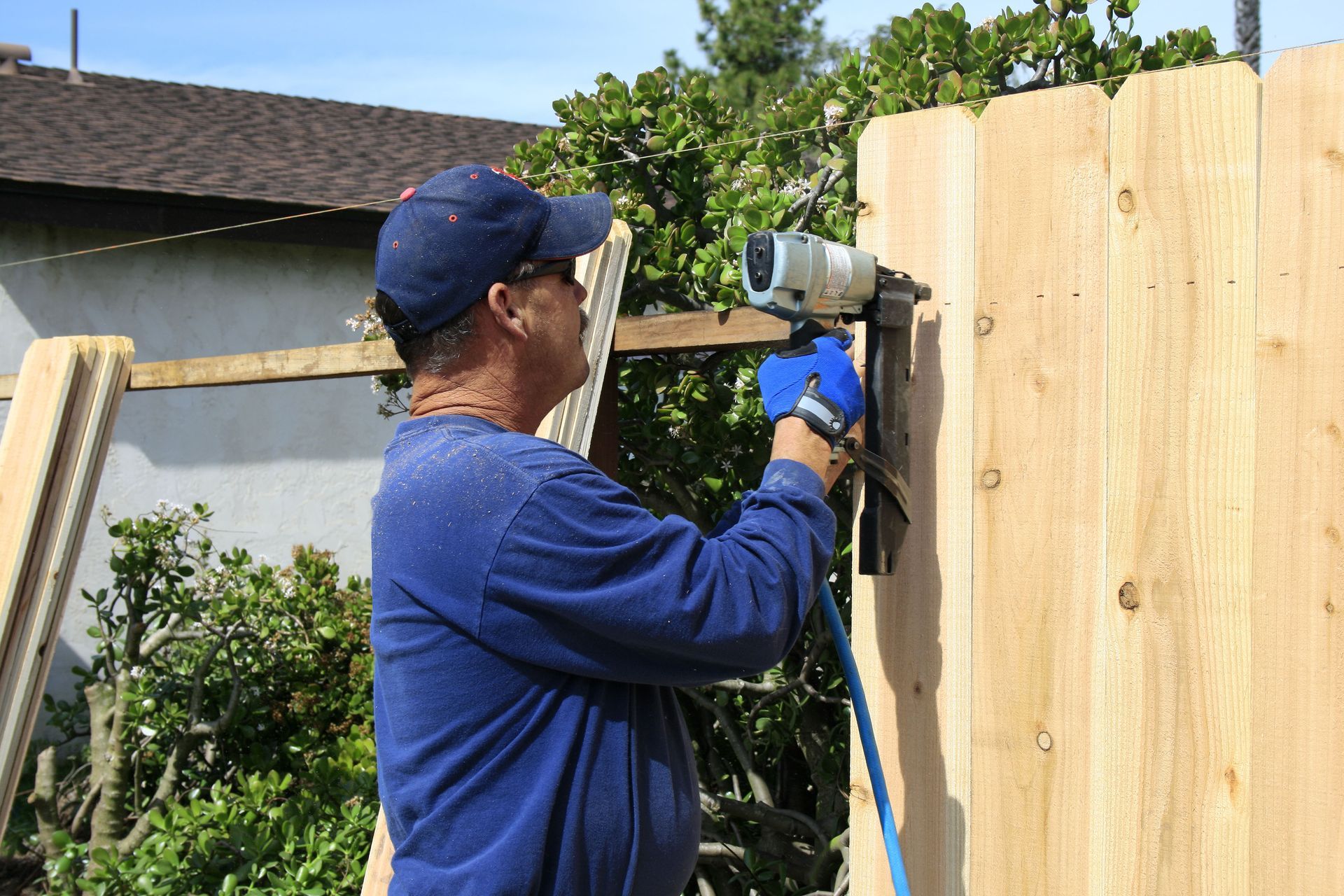
Wood fencing is also relatively easy to install, which contributes to its cost-effectiveness and widespread use. Many homeowners choose wood fencing because it can be installed efficiently by professionals or tackled as a do-it-yourself project with proper planning. This ease of installation reduces labor costs and shortens project timelines. Additionally, wood’s workability allows fencing layouts to be adapted to uneven terrain or irregular property lines more easily than rigid materials.
Environmental Benefits of Wood Materials
Environmental considerations further strengthen the appeal of wood fencing. Wood is a renewable resource when harvested responsibly, and many suppliers offer lumber certified through sustainable forestry programs. Unlike synthetic materials derived from petroleum, wood fencing generally requires less energy to produce and creates fewer emissions during manufacturing. At the end of its lifespan, wood fencing can biodegrade naturally or be repurposed, reducing long-term environmental impact.
Maintenance Expectations and Practical Considerations
Routine Care and Upkeep Requirements
While wood fencing offers clear advantages, it also requires a level of maintenance that should be carefully considered before installation. Unlike low-maintenance materials such as vinyl or aluminum, wood fencing responds to environmental conditions over time. Proper care plays a significant role in preserving both the appearance and structural integrity of a wood fence.
Routine maintenance for wood fencing typically involves cleaning, sealing, staining, or painting at regular intervals. These treatments help protect the wood from moisture infiltration, which can lead to swelling, warping, or rot. They also shield the surface from ultraviolet exposure that causes fading and discoloration. Without consistent maintenance, wood fencing may deteriorate more quickly and lose its visual appeal.
Climate and Weather Impacts
Climate conditions strongly influence how much maintenance wood fencing requires. In areas with high humidity or frequent rainfall, moisture-related damage can occur more rapidly. In drier or sunnier regions, prolonged heat and UV exposure may cause cracking or splitting. Seasonal temperature fluctuations can also stress wood fencing, leading to expansion and contraction that affects joints and fasteners.
Insect and Pest Considerations
Insect activity is another practical concern tied to wood fencing. Termites, carpenter ants, and other wood-boring insects are attracted to untreated or poorly maintained wood. These pests can compromise structural stability if not addressed promptly. Preventive treatments, regular inspections, and selecting naturally resistant wood species all help reduce this risk while extending the fence’s usable life.
Despite these considerations, many property owners view maintenance as a worthwhile tradeoff for the benefits wood fencing provides. Regular upkeep allows homeowners to refresh the fence’s appearance, adjust colors, and maintain consistency with landscaping or exterior updates. For those willing to invest time or resources into care, wood fencing remains a rewarding and visually appealing option.
Durability and Longevity Factors
Expected Lifespan of Wood Fencing
Durability is an important factor when evaluating fencing materials, and wood fencing offers moderate longevity when compared to alternatives such as metal or composite. While it may not match the lifespan of some synthetic materials without intervention, thoughtful material selection and ongoing maintenance can significantly extend the service life of wood fencing.
Wood Species and Material Selection
Different wood species contribute to varying levels of durability in wood fencing. Cedar and redwood are widely recognized for their natural resistance to rot, insects, and moisture, making them popular for long-lasting installations. Pressure-treated pine is another common choice, offering improved resistance to decay while remaining relatively budget-friendly.
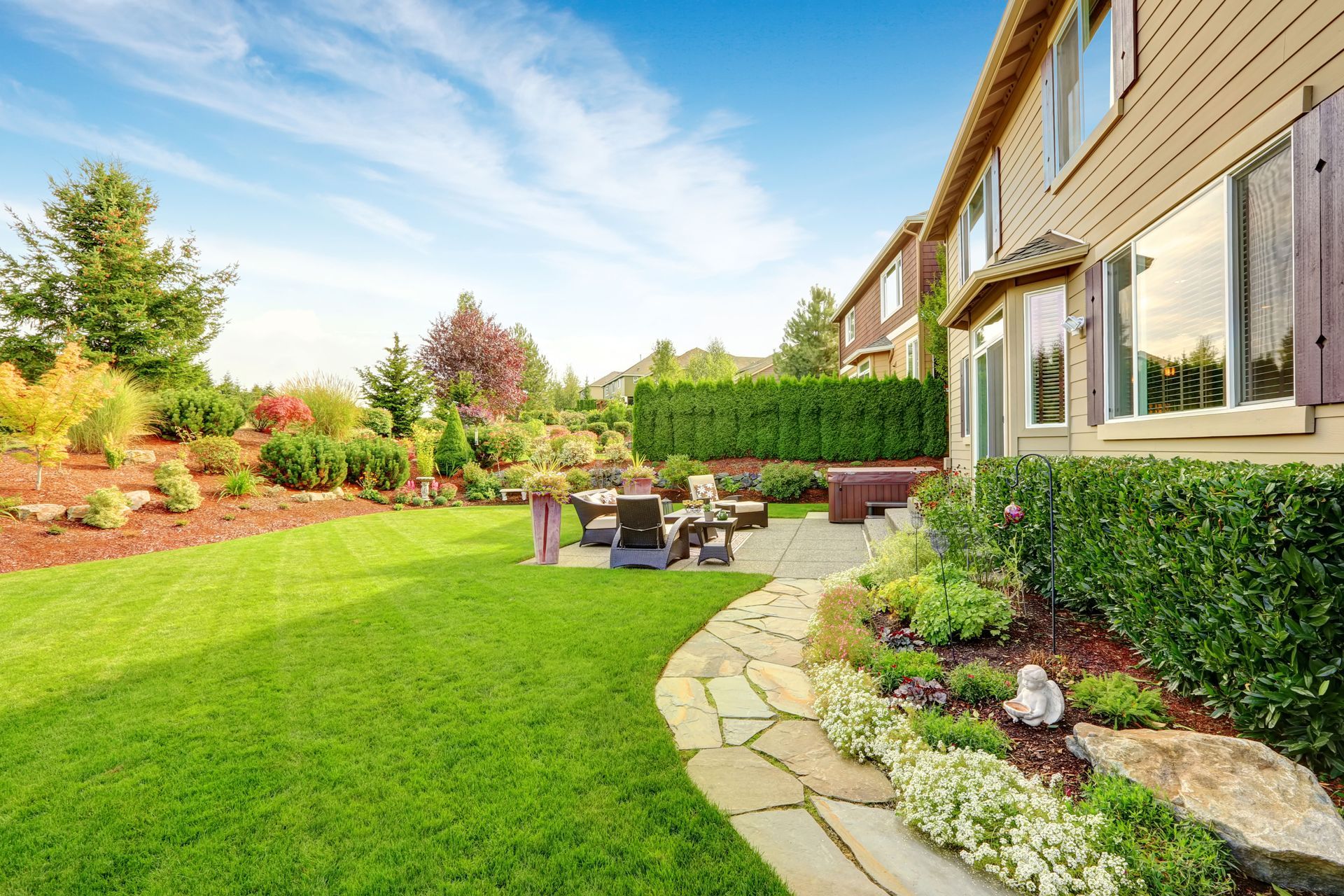
Wood fencing also complements landscaping in ways that many synthetic materials cannot replicate. Its natural appearance pairs well with plants, stone features, and outdoor living spaces, creating cohesive environments. Vines and climbing plants often thrive along wood fencing, further softening its appearance and blending it into the surrounding landscape.
At the same time, the decision should account for maintenance responsibilities, climate conditions, and expected lifespan. Those willing to invest care into upkeep are often rewarded with a fence that remains attractive and functional for many years. When approached with realistic expectations and proper planning, wood fencing continues to stand as a versatile and dependable option. Looking for wood fencing from experts? Call T&P Fence Company today.
Share On: