
What Homeowners Should Consider Before Scheduling Fence Installation
A new fence can improve privacy, security, curb appeal, pet containment, and the way a yard functions. But the best time to make important decisions is before installation is placed on the calendar. Several site and planning details can affect how smoothly the project moves once work begins.
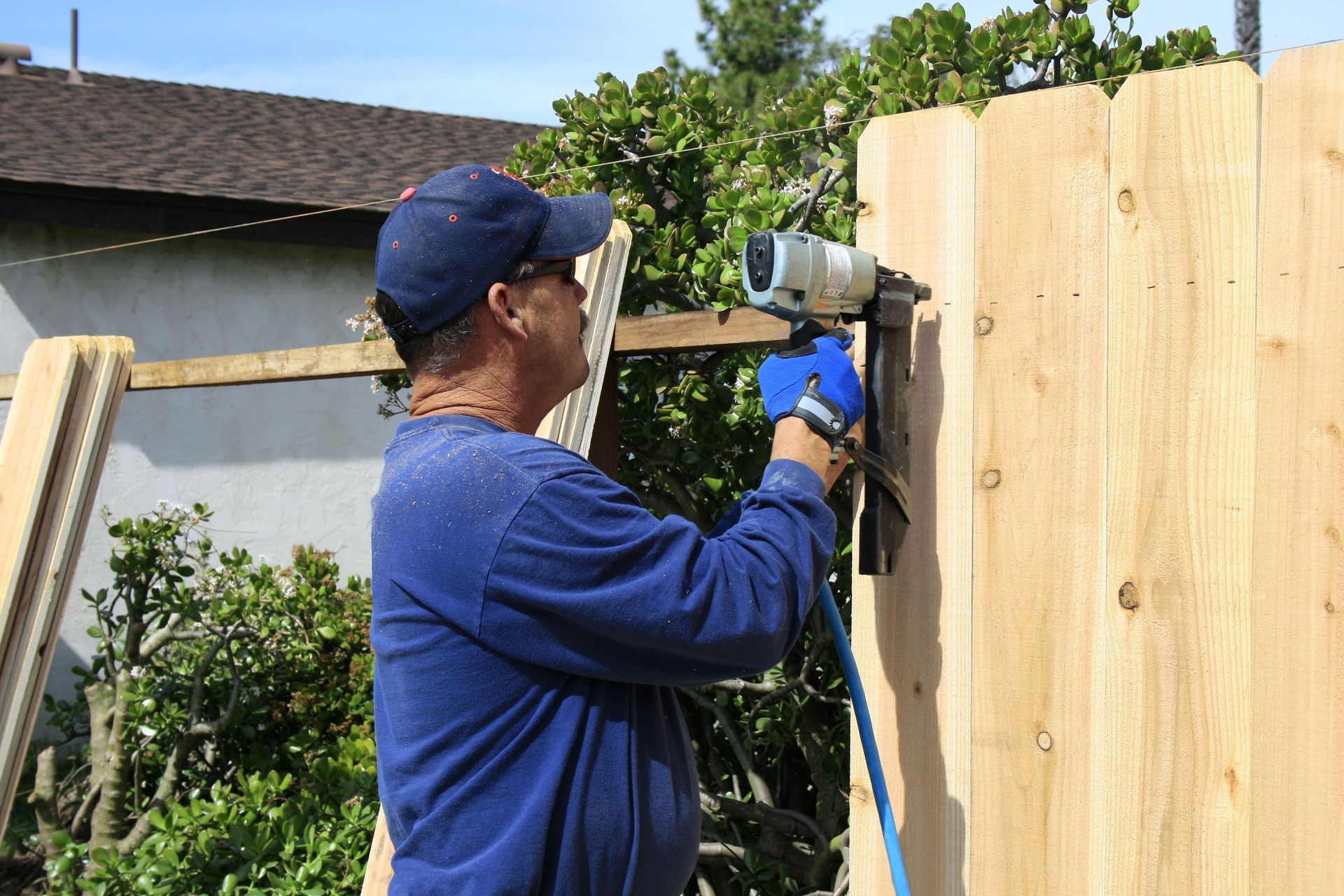
At T&P Fence Company, we provide residential and commercial fence installation throughout Schenectady, Albany, Saratoga, Montgomery, and Rensselaer Counties in New York. Before scheduling a project, homeowners should think through how the fence will be used, where it will go, and what site details need to be resolved so the final result fits the property.
Define What You Want the Fence to Accomplish
Start with the main reason for adding a fence. Privacy, security, pet containment, pool safety, decorative definition, and property boundaries can all lead to different material and layout choices. A solid privacy fence may be appropriate for a backyard, while ornamental fencing can define a property without blocking views.
T&P Fence Company installs vinyl, chain-link, wood, and ornamental fencing. Knowing the primary goal helps narrow those options and makes later decisions about height, spacing, gates, and maintenance more practical.
If several goals matter, rank them before the estimate. That makes it easier to compare tradeoffs before choosing a style.
Confirm the Property Lines Before Setting the Layout
A fence should be planned around verified property boundaries rather than assumptions based on mowing lines, old posts, landscaping, or where a neighboring fence happens to sit. If the boundary is uncertain, a survey may be appropriate before the project moves forward.
This step can help prevent encroachment disputes and costly changes after posts have already been installed. It also gives the contractor a clearer starting point for measuring the proposed fence line.
Homeowners should also consider easements, utility areas, shared driveways, and access points that could affect placement. Resolving those questions before fence installation is scheduled can reduce last-minute changes to the layout.
Review Local Rules and HOA Requirements
Fence requirements can vary by municipality and neighborhood. Height limits, setbacks, corner visibility, pool fencing, materials, and permit requirements may all affect the project. Homeowners who belong to an HOA may have additional rules about style, color, or placement.
T&P Fence Company serves multiple counties and communities in the Capital Region, so local requirements should be checked for the specific property rather than assumed to be the same everywhere.
Get required approvals early and keep documentation available. A project that is otherwise ready can be delayed if a permit, HOA approval, or zoning question remains unresolved when installation is supposed to begin.
Choose a Material Based on Maintenance and Use
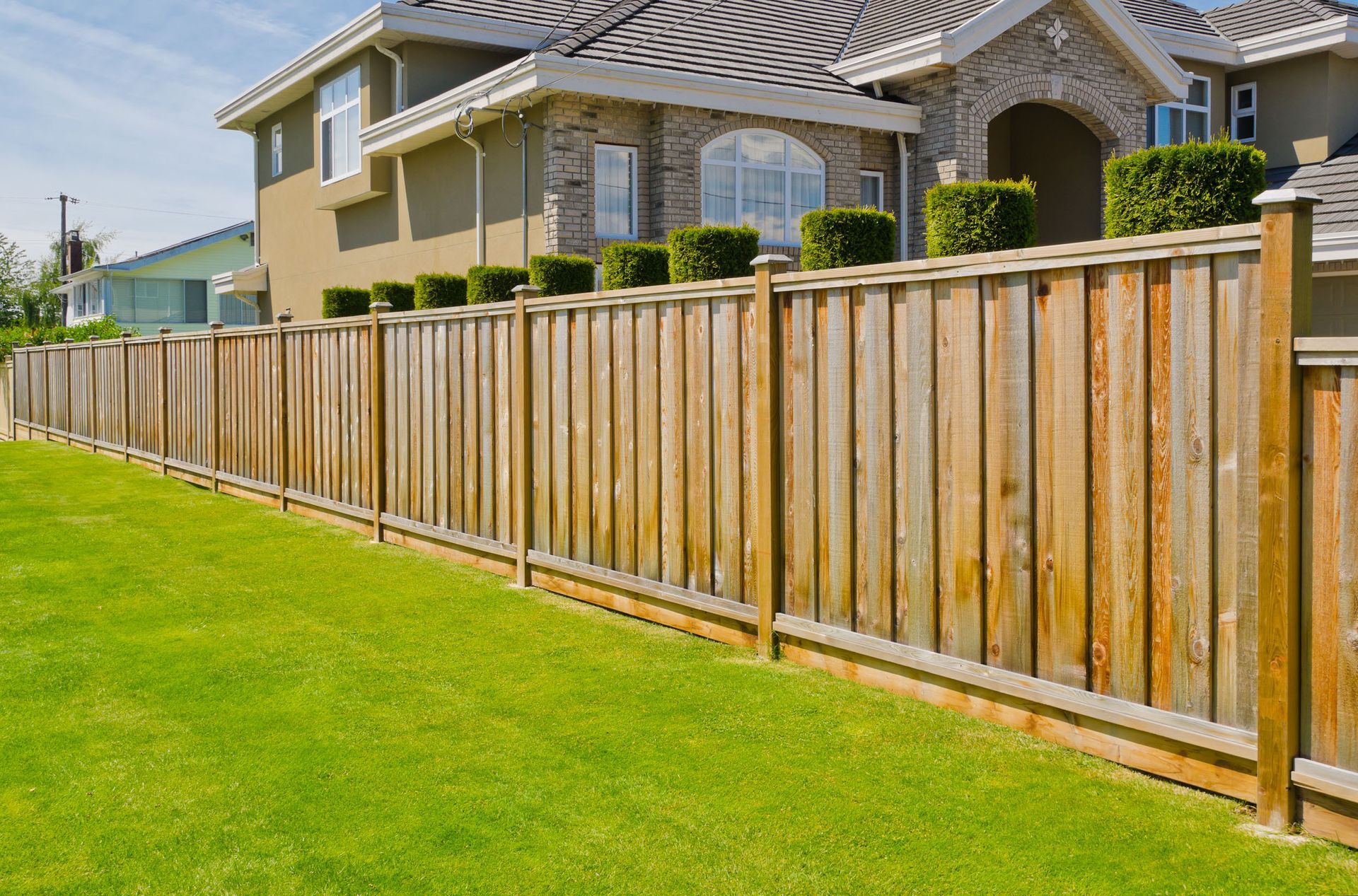
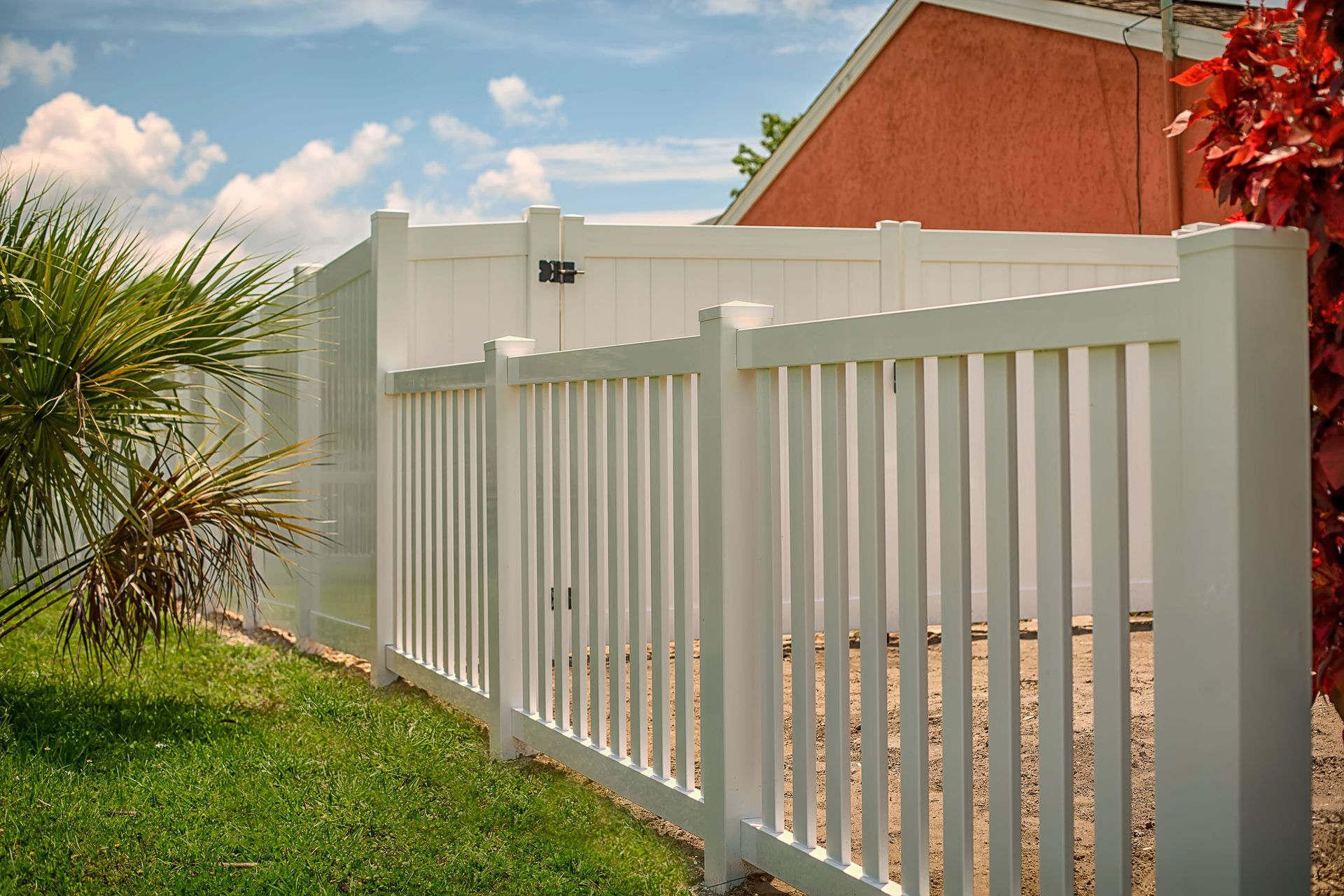
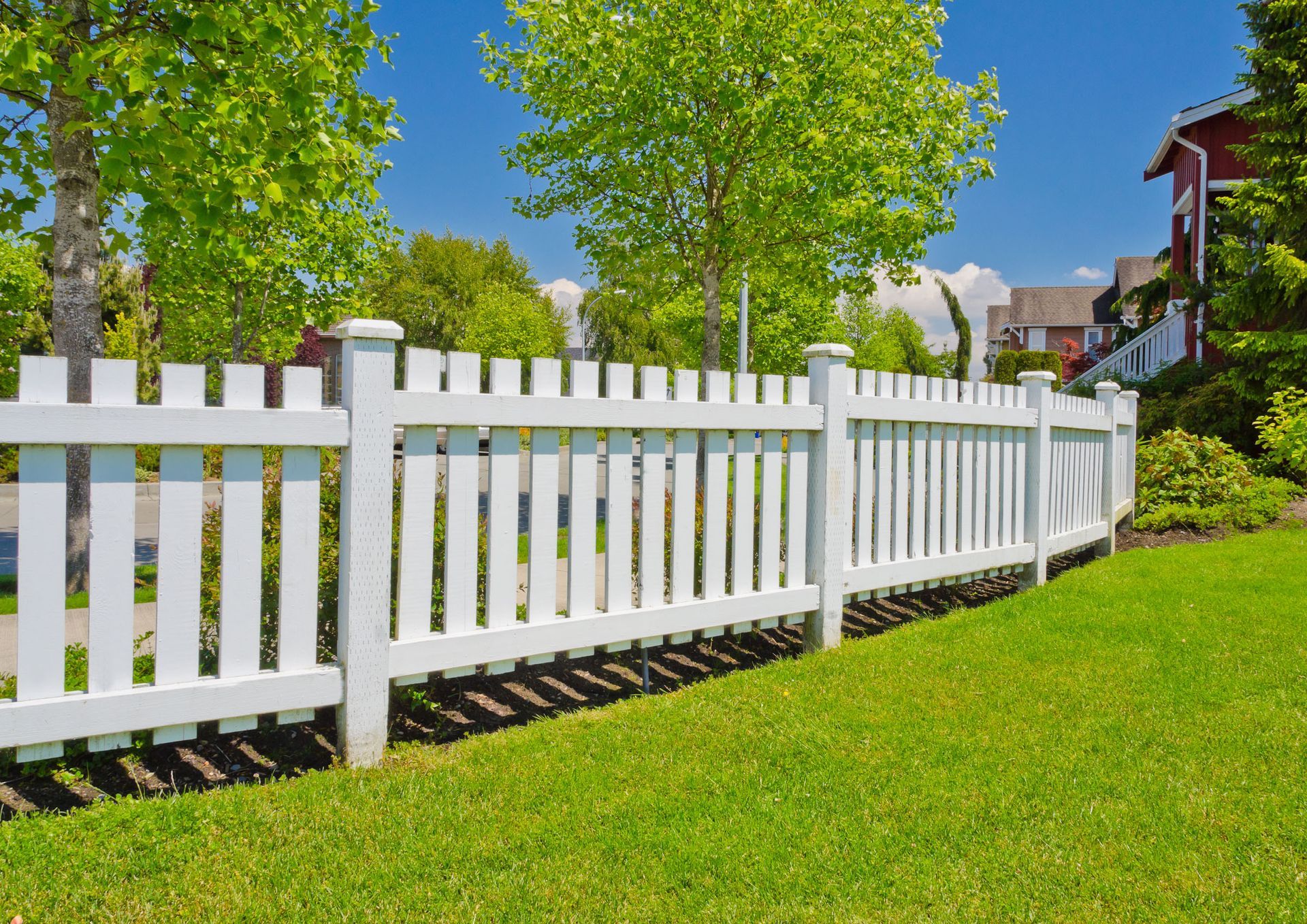
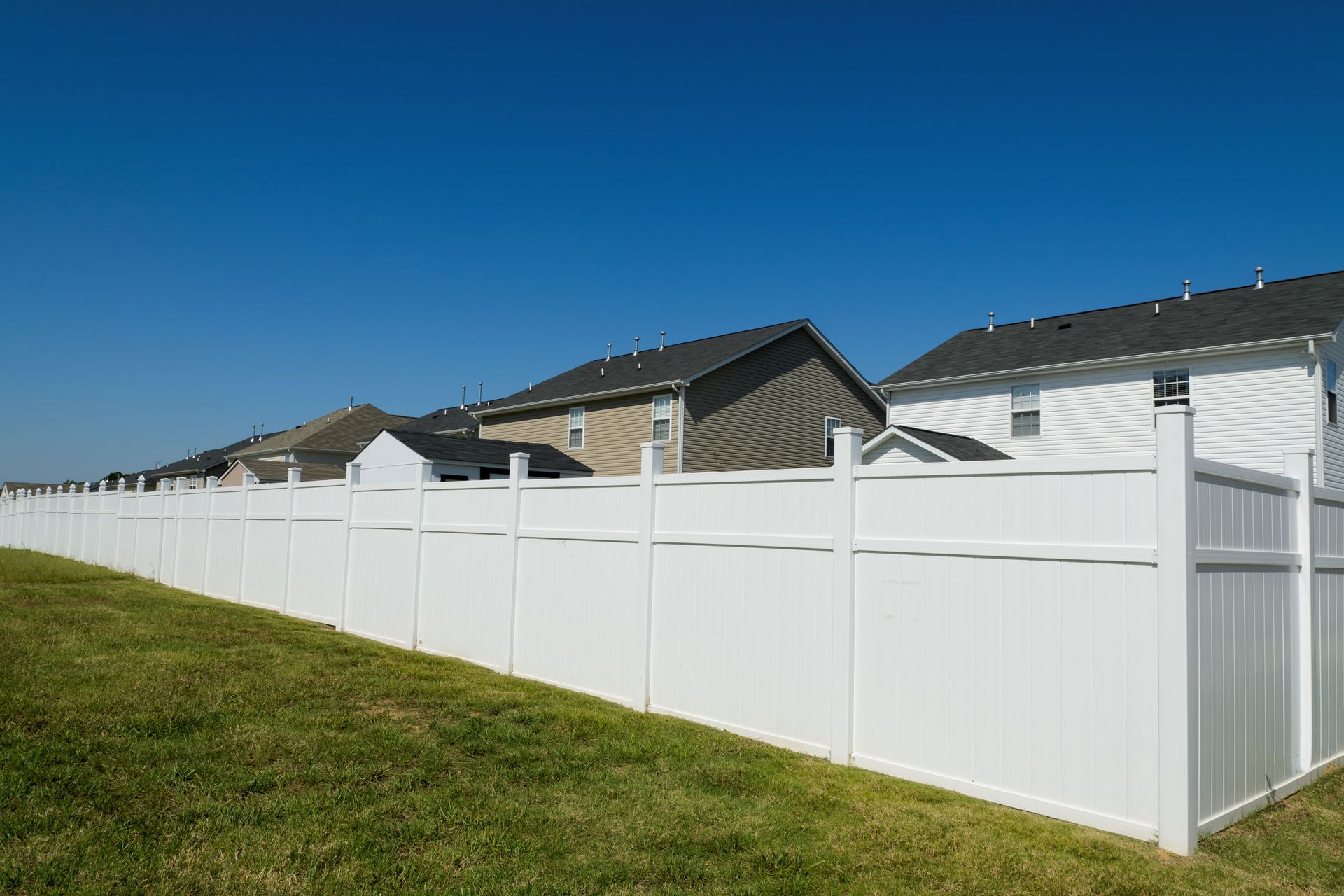
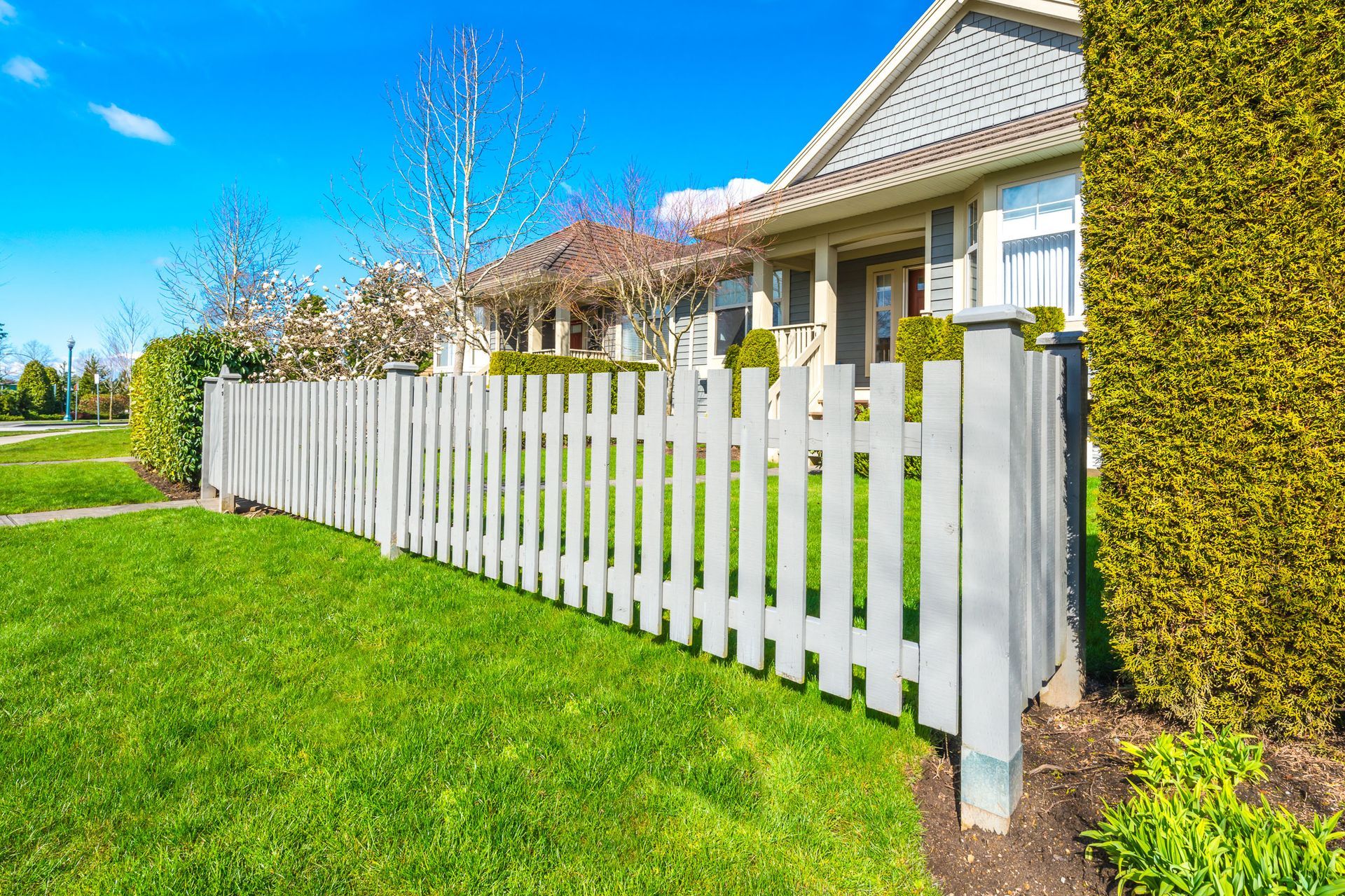
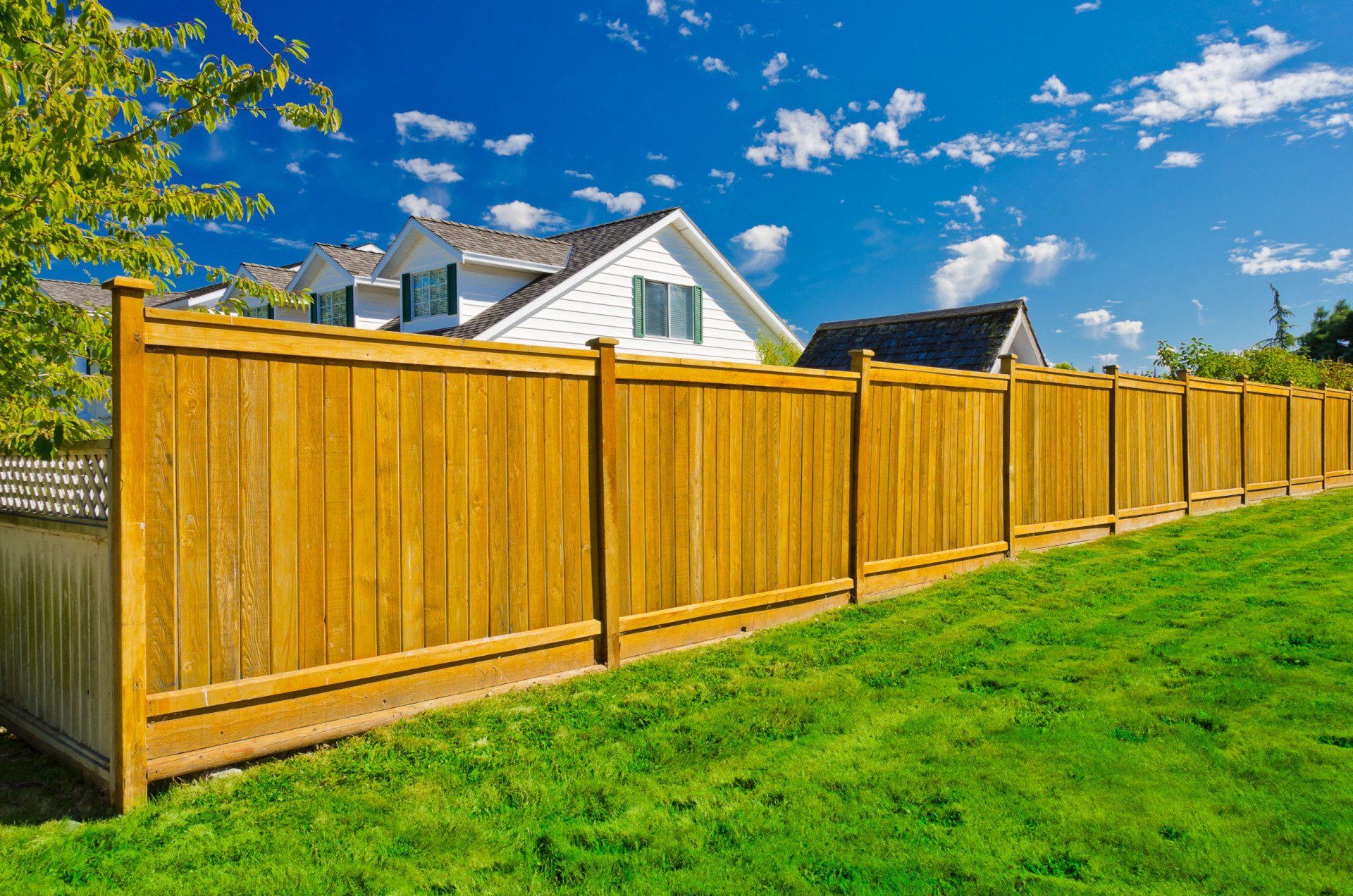
Material choice affects more than appearance. Wood can provide a classic look and strong privacy options, but it generally requires more ongoing maintenance. Vinyl offers a clean appearance with less routine upkeep. Chain-link is practical for many containment and boundary applications, while ornamental fencing can provide security and an open, decorative look.
Think about how much maintenance you are willing to perform, how visible the fence will be, and how the material fits the home and landscape. Climate exposure, pets, children, and the level of privacy desired should also be part of the discussion.
A contractor can explain the differences, but homeowners should enter the conversation with a clear sense of their priorities.
Plan Gate Locations Around Daily Movement
Gate placement is easy to underestimate until the fence is installed. Think about how people actually move through the yard and where equipment needs to pass. Lawn mowers, wheelbarrows, trash cans, trailers, pool equipment, and service access may require wider or differently positioned gates.
A gate placed only for symmetry may become inconvenient if it does not align with the driveway, patio, walkway, shed, or part of the yard used most often. The swing direction also matters because nearby slopes, landscaping, or structures can limit clearance.
Good fence installation planning treats gates as part of the circulation pattern, not an accessory added after the main fence line is decided.
Evaluate Slopes, Landscaping, and Site Conditions
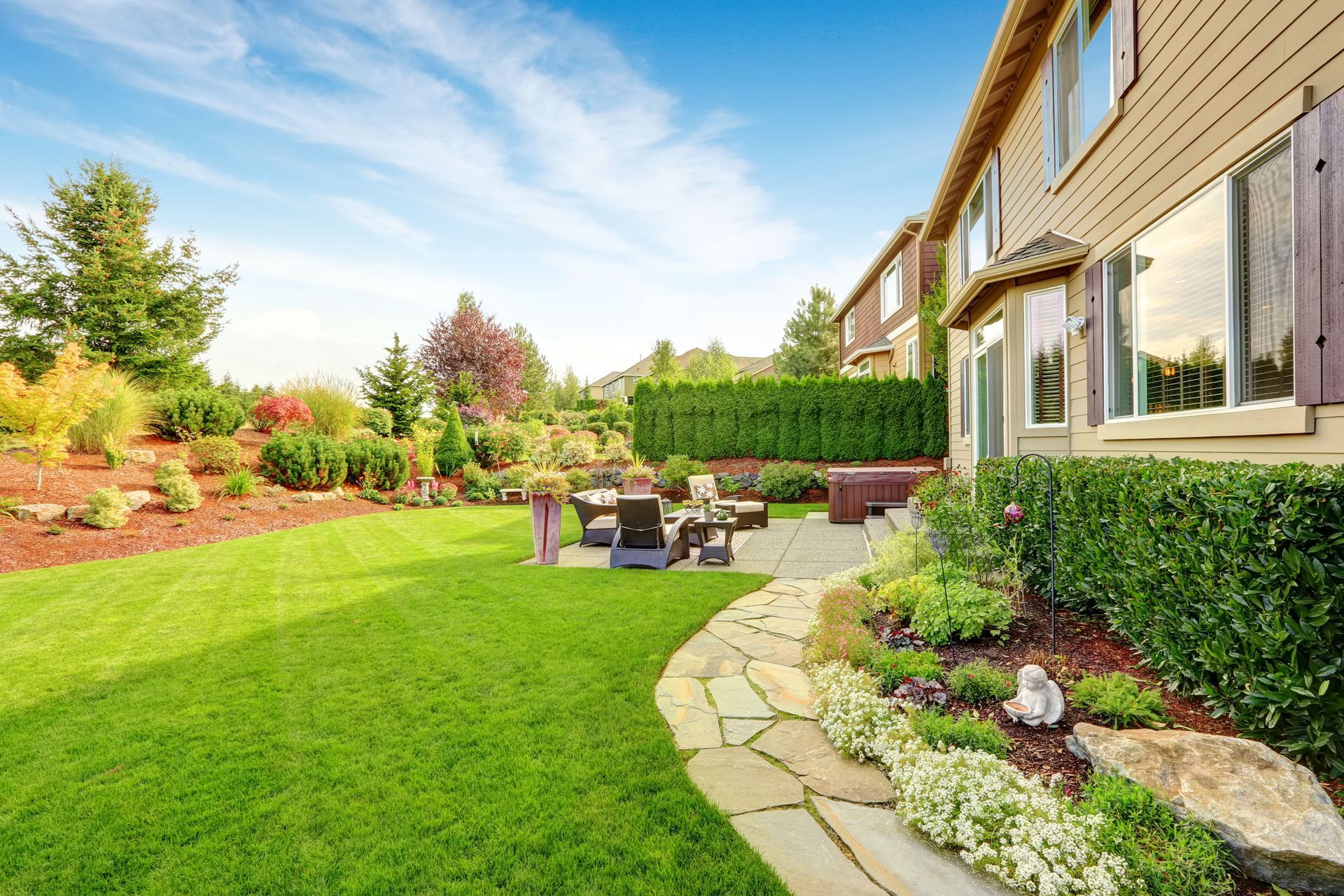
Yards are rarely perfectly flat and empty. Slopes, retaining walls, mature trees, garden beds, patios, sheds, drainage swales, and uneven grades can all affect the installation approach. These features should be identified during the estimate so the contractor can plan around them.
T&P Fence Company also provides landscaping services, including design, plantings, patios, retaining walls, and lawn installation. That broader site experience can be useful when fencing needs to work with existing or planned landscape features.
If another outdoor project is planned, consider the sequence. Installing a fence before grading, patio work, or major landscaping may create unnecessary conflicts later.
Check Utility Marking and Access Before Work Starts
Fence posts require digging, so underground utilities must be considered before installation. Utility-marking procedures help identify public lines that may be near the proposed fence route. Private lines, such as irrigation, landscape lighting, pool equipment, or certain utility connections, may require separate attention.
Homeowners should also make sure crews can reach the work area. Locked gates, parked vehicles, stored materials, pets, and temporary obstacles can slow setup and installation.
Before the scheduled date, clear reasonable access along the fence line and discuss any areas where equipment movement may be difficult. Good site access helps the crew work more efficiently and reduces avoidable delays.
Set a Realistic Budget for the Entire Project
Fence cost depends on more than linear footage. Material, height, number of gates, terrain, removal of an existing fence, unusual corners, access, and other site conditions can affect the final scope.
According to Houzz, 23% of surveyed homeowners undertaking outdoor renovations included fencing among their outdoor feature upgrades. That makes fencing a common part of broader outdoor improvement planning, where homeowners may also be budgeting for patios, landscaping, walkways, or other projects.
T&P Fence Company provides free estimates, which can help homeowners understand the proposed scope before committing to a schedule. Compare the complete project rather than focusing only on a price per foot.
Consider Timing, Lead Times, and Seasonal Conditions
The preferred installation date may not be the same as the realistic start date. Material availability, contractor scheduling, permits, weather, and other projects already in the queue can affect timing. Certain fence styles or products may also have longer lead times than standard materials.
Ask what needs to happen before a date can be confirmed and whether any customer selections are still outstanding. Finalizing material, color, gate layout, and project boundaries early can help prevent avoidable scheduling changes.
For fence installation, homeowners should also expect weather to remain a variable. Heavy rain, frozen ground, or other site conditions can affect when digging and installation can proceed safely and effectively.
Choose a Contractor Who Can Explain the Process
Before scheduling, homeowners should understand what the contractor is providing and what remains their responsibility. A clear estimate should address the selected material, approximate layout, gates, removal work, installation expectations, warranty information, and any known site considerations.
Useful questions include:
- Property preparation: What needs to be cleared or marked before the crew arrives?
- Permits and approvals: Which requirements should be completed before scheduling?
- Materials: What fence style, height, color, and gate configuration are included?
- Timing: What factors could change the anticipated installation date?
- Warranty: What labor or product coverage applies after the work is complete?
T&P Fence Company is family owned and has served the region since 1984. We provide free estimates, a 1-year labor warranty, and residential and commercial fencing alongside landscaping and lawn services.
If you are considering fence installation in Schenectady, Albany, Saratoga, Montgomery, or Rensselaer County, contact T&P Fence Company before putting the project on the calendar. Our team can review your goals, property layout, material options, gates, and site conditions so your
fence installation is planned around the way you actually use your property.


Share On: